Preparing to move. Part 2. School
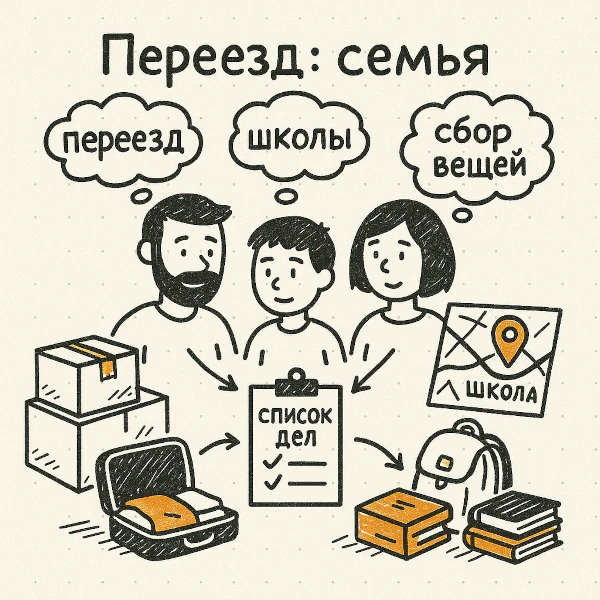
One of the hardest relocation questions is how a child will handle it. Moving is stressful for adults, and for a child, especially a teenager, it can feel twice as hard. When we started discussing relocation, Vlad was 12.5 years old; he moved at 13. School choice became one of the key decisions. I carefully studied school channels; here is the main one again: http://t.me/ru_schools_armenia. It has a useful table with school lists and tuition costs. Based on parent comments and our own priorities, we mostly considered private schools: smaller classes and more attention to students. They also have entrance screening, which reduces bullying risk.
At that time, our friends were living in Yerevan and helped us a lot with advice about schools and everyday life, and they convinced us that our choice of country and city made sense. They later moved to Scotland; Olga now runs an interesting blog about life in Scotland and antiques. From the school list we considered Svobodnaya Shkola, Nyuberg, and Perspektiva. They had many good reviews and a young, engaged teaching staff. During summer vacation we came to Yerevan to visit schools, meet principals, vice-principals, and teachers, and see both the area and buildings in person. We booked appointments. Vlad took entrance exams in Russian, Math, and English at Perspektiva and Svobodnaya Shkola. At Nyuberg we toured the building and met the principal. Atmosphere-wise, Vlad liked Nyuberg the most, but we did not take in-person exams there.
After returning to Moscow, he took Russian and Math online, passed an English interview, and had a session with a psychologist. He was accepted into 7th grade. We do not regret this choice: he enjoys studying and met good classmates. We also built a community with parents from his class. The only downside for me now is that our school does not issue an international diploma, unlike Svobodnaya Shkola (with international accreditation), or a route that includes BISA (Cambridge-accredited). A plus of our school is its location in Arabkir, a cleaner and less hot district.
Going back to our original worries: the relocation was easy for our child. He packed with us, took part in apartment selection (separate post later), and joined all the planning with real curiosity, despite concerns about new classmates and teachers. Of course, every child is different.
My personal list of private and public schools (based on channel research and personal experience).
Private schools
Cons:
✍️ Graduation diploma is often not recognized abroad.
✍️ High tuition: around $400/month and above.
Pros:
✍️ No social card required for admission or study.
✍️ Individual approach.
✍️ Teaching quality.
✍️ More foreign-language hours.
✍️ Small classes: 7-10 students.
✍️ Comfortable school climate.
Public schools
Pros:
✍️ State certificate issued in Armenia can be recognized for admission abroad; specific requirements depend on country and university; tuition is free.
Cons:
✍️ Admission can be difficult: electronic registration, social card required.
✍️ Classes may be large.
✍️ Variable education quality.
✍️ Higher risk of bullying.
Getting documents from a Russian school is simple: come in, submit a request, collect the student file.
If you want to discuss this, welcome in the comments.
#relocationDiary #relocationTips